Efficiency & Organizational Psychology
Your Floor Cleaning Strategy Is Lying To You
Why the most expensive tool in your building is the one you already own-and the social cost of finally letting it go.
I made a mistake at the hardware store . I carried a humidifier in a cardboard box. The box was heavy. I did not have a receipt for the humidifier. I bought the humidifier in . The humidifier stopped working in .
I stood at the customer service desk. A young man stood behind the desk. The name tag on the young man said Leo. I told Leo the humidifier was broken. Leo asked for the receipt. I told Leo I did not have the receipt. Leo told me he could not give me a refund without the receipt.
I stayed at the desk. I did not leave. I felt the heat in my neck. I knew I was wrong. I knew the store policy was clear. I stayed because leaving meant I lost forty-four dollars.
I chose to stay and argue with Leo. The argument was unpleasant. The argument was a waste of time. I chose the argument because the argument was easier than admitting I made a mistake.
The price of a broken humidifier-and the anchor that kept me arguing at the desk.
The Status Quo Tax
Organizations make the same mistake with floors. A manager looks at a mop. The mop is dirty. The mop does not clean the floor. The manager knows the mop is a bad tool. The manager does not change the tool.
The manager keeps the mop. The manager keeps the mop because changing the mop is a difficult process. The process requires a meeting. The process requires a budget. The process requires a champion. No one wants to be the champion of the floor.
Kira is an assistant manager at a grocery store. Kira arrives at the store at . The store is quiet. The lights are bright. Kira walks to the back of the store. Kira opens the closet.
The closet smells like damp string and old chemicals. Kira sees the mop. The mop head is gray. The mop head was white . Kira sees the bucket. The bucket is yellow plastic. The bucket has a squeaky wheel.
Kira fills the bucket with water. Kira adds a green liquid from a dispenser. The water becomes soapy. Kira pushes the bucket to the produce aisle.
Kira knows the floor is not clean. Kira knows the mop spreads the dirt. The mop takes dirt from the front of the store. The mop moves the dirt to the back of the store.
The mop leaves a thin layer of gray water on the tiles. The water dries. The dirt stays on the tiles. Kira thinks about a better way. Kira saw a video of a machine. The machine scrubs the floor. The machine sucks up the dirty water. The machine leaves the floor dry. Kira wants the machine.
The Friction of Asking
Kira does not ask for the machine. To ask for the machine, Kira must write an email. Kira must send the email to the District Manager. The District Manager is a busy man named Robert. Robert cares about labor hours. Robert cares about the margin on bananas. Robert does not think about the mop.
If Kira sends the email, Robert will ask about the cost. Robert will ask for a spreadsheet. Kira does not have time to make a spreadsheet. Kira has to schedule the cashiers. Kira has to check the milk deliveries. Kira has to handle the customer who is angry about the price of eggs.
In many businesses, the status quo survives because the cost of changing the status quo is a social cost. The social cost is the effort of convincing another person to care. Most people do not have the energy to make another person care. Most people use the mop.
Sophie J. is a digital archaeologist. Sophie J. studies the remains of old systems. Sophie J. looks at data from companies that no longer exist. Sophie J. found a pattern in the data.
In a study of operational habits, the data showed that 81% of inefficient tools stay in a building because the person with the problem does not have the power to buy the solution.
The person with the power to buy the solution does not have the problem. This is a gap. The gap is where the dirty mop lives. The gap is why the floor stays sticky.
The stickiness of the floor is a physical fact. The floor has a coefficient of friction. When the floor is sticky, the coefficient of friction changes. Customers feel the stickiness through the soles of their shoes. The shoes make a clicking sound on the tile.
The sound is the sound of a failure in management. Kira hears the sound. Kira hates the sound.
Kira puts the mop back in the yellow bucket. Kira wrings the mop. The water that comes out of the mop is the color of a wet sidewalk. Kira pours the water into a drain. The drain is in the floor. The drain is stained.
The Invisible Expense
The problem is the structure of the decision. A new machine is a capital expense. A capital expense is a large number. A large number requires a signature. A signature requires a justification. A justification requires a proof of return on investment.
The return on investment for a clean floor is hard to see on a balance sheet. You cannot easily count the customers who did not come back because the floor looked dull. You cannot easily count the seconds saved by a machine when those seconds are spread across a dozen employees.
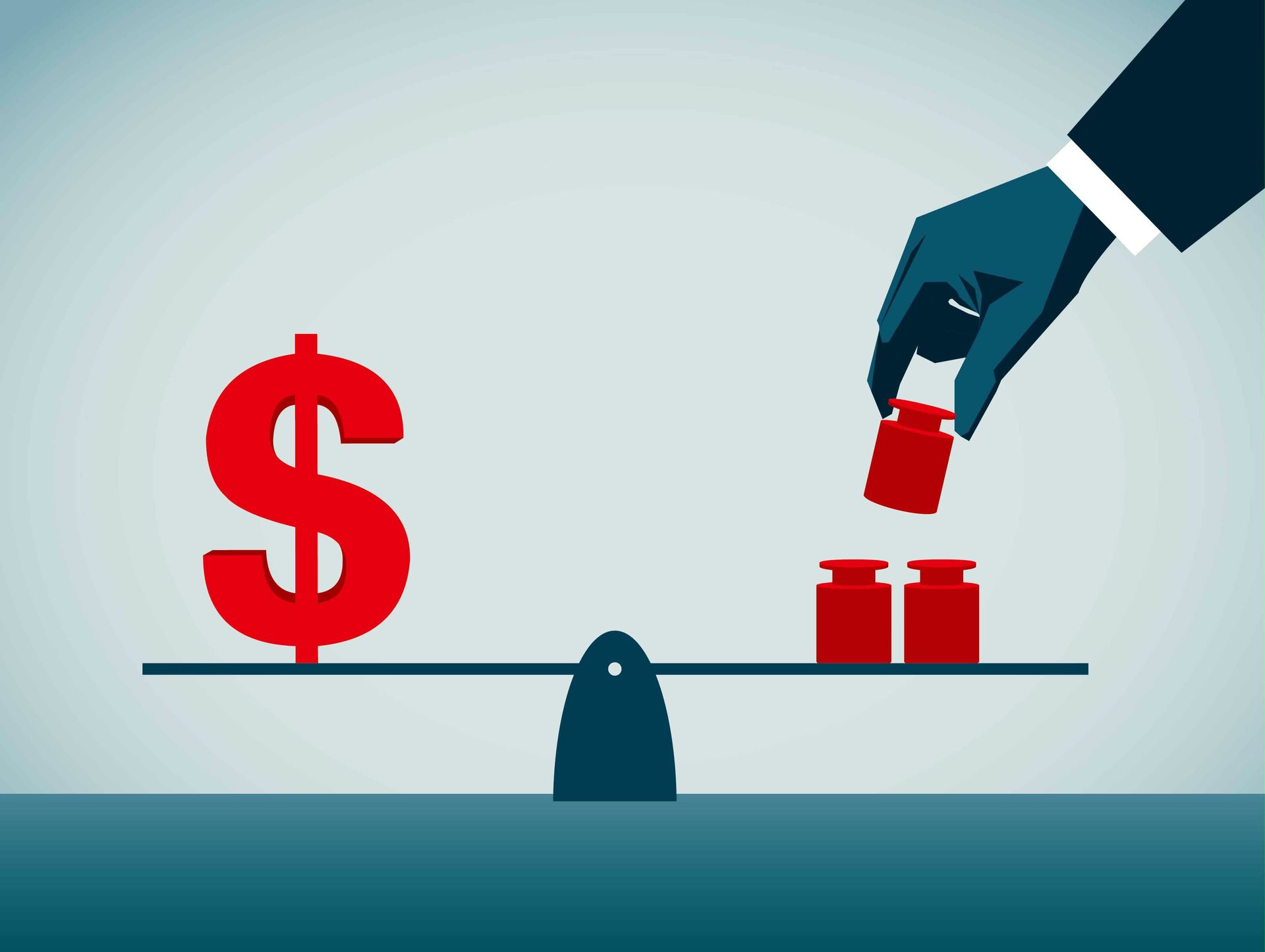
Invisible. Budgeted. No signature required.
Visible. Scrutinized. Requires Robert’s approval.
The mop is an operating expense. The soap is an operating expense. The labor of the person holding the mop is an operating expense. These expenses are invisible. They are already in the budget. They do not require a new signature. They do not require a meeting with Robert.
A commercial floor scrubber changes the nature of the floor. The scrubber uses a brush. The brush rotates. The brush agitates the dirt. The dirt lifts off the tile.
A vacuum squeegee follows the brush. The vacuum squeegee pulls the liquid into a tank. The floor is clean. The floor is dry. A person can walk on the floor immediately. There is no yellow sign. There is no slip hazard. The machine is a better tool.
Many stores realize they need a machine. They look at the price of the machine. The price is three thousand dollars. Or the price is five thousand dollars. The manager sees the price and stops. The manager thinks about the spreadsheet. The manager thinks about Robert and the bananas. The manager goes back to the closet. The manager grabs the mop.
The Inertia of Habit
The inertia of the mop is the strongest force in the building. Inertia is a property of matter. Inertia is also a property of organizations. An organization in motion will stay in motion. An organization using a mop will stay using a mop.
To stop the mop, someone must apply force. The force must be greater than the inertia of the habit. Most managers do not have enough force at .
This is why the lease model is a change in the physics of the office.
If the machine is a monthly service, the machine is no longer a capital expense. The machine becomes like the electricity. The machine becomes like the trash pickup. The machine is a line item.
The line item includes the soap. The line item includes the parts. The line item includes the service. The manager does not have to be a mechanic. The manager does not have to be an accountant. The manager just has to want a clean floor.
Kira hears about a program. The program provides a floor scrubber for a monthly fee. The fee is predictable. The fee fits in the existing budget. Kira does not need a meeting with the Chief Financial Officer. Kira can talk to Robert about a service.
Robert understands services. Robert pays for the floor mats to be cleaned. Robert pays for the windows to be washed. A lease floor scrubber is a service for the tile.
Breaking the Friction
Kira gets the machine. The machine is a Mopit. The Mopit is small. The Mopit fits in the aisles. Kira starts the machine. The machine makes a hum. The hum is better than the squeak of the bucket wheel. Kira walks behind the machine. The machine moves forward.
Kira looks behind the machine. The floor is not wet. The floor is not gray. The floor is the color of the tile when the tile was new. Kira feels a sense of relief. The relief is not a metaphor. The relief is a physical sensation in her shoulders.
The mistake I made with the humidifier was a mistake of pride. I did not want to admit that I failed to keep a piece of paper. I spent an hour in a state of friction because I feared the cost of the error.
Businesses do this for years. They spend thousands of hours in a state of friction. They spend the hours because they fear the cost of the change. They fear the meeting. They fear the budget. They fear the responsibility of choosing something new.
The mop is a bad tool, but the mop is a known tool. The machine is a good tool, but the machine is a new tool. New tools require a champion. A champion is a person who cares more about the result than the friction of the process.
Kira is now a champion. Kira does not have to argue with Robert. Kira does not have to make a spreadsheet. Kira has a clean floor. The customers walk on the floor. The shoes of the customers do not make a clicking sound. The floor is quiet.
Kira finishes the floor in twenty minutes. The mop used to take an hour. Kira has forty minutes of time.
Kira uses the time to organize the stockroom. Kira uses the time to talk to the cashiers. Kira is a better manager because Kira stopped using a bad tool.
The gray water in the bucket is the tax Kira pays for a meeting she does not want to have.
The choice of a cleaning method is a choice about the value of time. If a manager’s time is worth forty dollars an hour, the mop is an expensive tool. If the manager’s energy is a finite resource, the mop is a wasteful tool.
The mop drains the energy of the person. The mop drains the quality of the building. The only reason to keep the mop is because no one has decided to stop.
Choosing Zero Friction
Deciding to stop is the hardest part of any job. I should have walked out of the hardware store. I should have left the humidifier on the counter and walked away. I should have valued my time more than my forty-four dollars. I did not. I stayed in the friction. I stayed in the bad default.
The best floor scrubbers are the ones that actually get used. A machine in a catalog does not clean a floor. A machine that requires a three-year planning cycle does not clean a floor.
A machine that arrives because a manager made a simple decision is the machine that works. The Mopit is that machine. It removes the friction of the decision. It removes the friction of the budget. It leaves only the floor.
Kira looks at the Mopit in the closet. The Mopit is clean. The tank is empty. The brush is dry. Kira closes the closet door. The closet no longer smells like damp string. The closet smells like nothing. Nothing is the smell of a problem that has been solved.
Kira walks to the front of the store. She sees her reflection in the tile. The reflection is clear. The reflection is a literal statement of fact.
The floor is clean because someone decided to care. Without care, the gray water remains. With care, the machine moves. The machine wins. The floor survives.