Your dental anxiety is not a sign of weakness
How a ghost from manages your health in .
You are sitting in the driver’s seat. Your palms are wet against the steering wheel. The engine is off, but you do not move. The sun hits the hood of your car and reflects into your eyes, but you do not flip the visor down.
You are focused on the door of the office thirty feet away. It is a glass door with a gold handle. To anyone else on the street, it is just a door. To you, it is a gate to a place where you lose your power.
You are . You lead meetings. You raise children. You fix things that break. But right now, you are eight years old, and you are waiting for someone to hurt you.
The gravity of Central Avenue
The air in the car is stale. You have before the woman at the front desk marks you as a “no-show.” If you wait , you can tell yourself it is too late to go in.
You can blame the traffic on Central Avenue. You can blame a work call that never happened. You can turn the key, shift into reverse, and go home to the dull ache in your back left tooth that you have ignored for .
The ache is a known thing. The chair inside is an unknown thing.
Carlos is doing the same thing three rows over. He is . He wears a suit because he has a big presentation at . He is a man who hiked the Pacific Crest Trail and once saved a dog from a frozen pond.
But Carlos is trapped in . He remembers a dentist with heavy hands and a voice like gravel. That man told Carlos to “stop being a baby” while he worked on a cavity. Carlos had cried. The man had scoffed.
“Stop being a baby.”
– The voice of 1996
In that small room, the boy learned that his pain did not matter and his fear was a flaw. He has carried that lesson for .
The Biological Lock
We call this anxiety. That is a soft word. It is too light for the weight it puts on your chest. This is a biological lock. Your brain does not see a clean office with soft music and digital tools. It sees a threat.
It hears the high whine of a drill and prepares for a fight. This is the template. It is not your fault that your brain is good at remembering what hurt it.
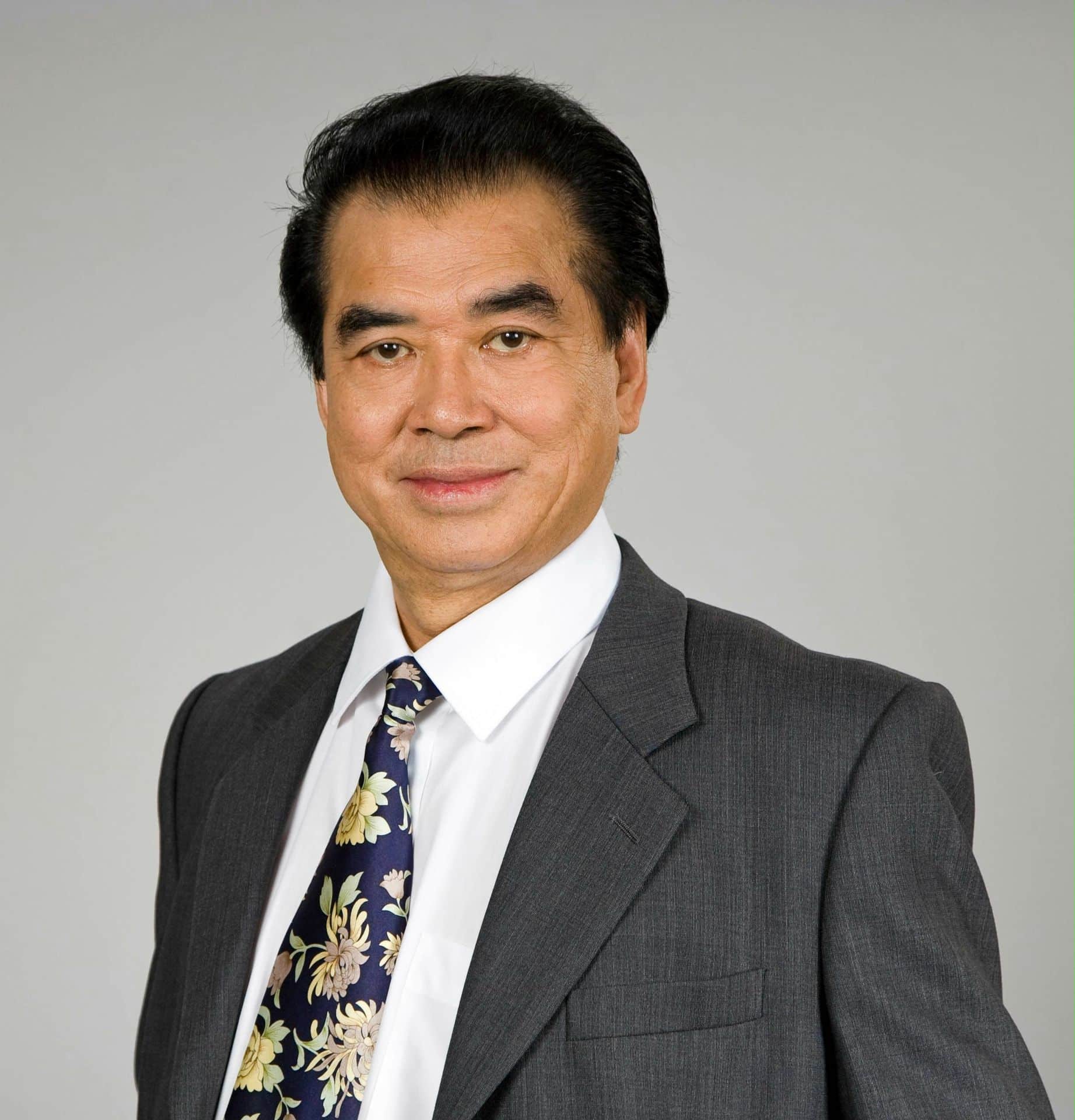
The human brain stores fear in the amygdala. This is an old part of the head. It does not care about logic. It does not care that Dr. Tareq Afifi has spent years learning how to make patients feel safe.
The Amygdala
Registers the sound of the drill as a literal fire in the room.
Modern Logic
Knows the “gentle touch” promise on the website is real.
The amygdala only cares about the fact that the last time you heard that sound, it felt like fire. To the brain, is happening right now.
I understand the urge to avoid things. Yesterday, I spent an hour updating the software on an old tablet. I do not use this tablet. It sits in a drawer. But the red notification dot bothered me.
I wanted the newest version of the code, even if I never touch the screen. We are obsessed with updating our tools. we get the new phone, the new laptop, the new car. But we keep the 1.0 version of our fears. We let a ghost from run the show while we hold a smartphone in our hands.
The Chemistry of the Spark
Let us look at how pain actually works. When a metal tool touches a nerve, it opens a path. This path lets sodium ions flood into the nerve cell. This creates a tiny spark of electricity.
That spark jumps from one cell to the next until it hits your brain. The brain says, “That hurts.” Modern care stops the spark at the start.
The Spark: Modern care uses pH-matched liquids to stop sodium from moving, effectively shutting the gate before pain exists.
A good Chino Dentist uses a gel to numb the skin first. Then they use a liquid that matches the pH of your body.
This stops the sodium from moving. The gate stays shut. The spark never starts. If the spark does not start, the pain does not exist. It is a matter of chemistry, not grit.
The Invisible Tax
When you avoid the chair, you are not just avoiding the drill. You are paying a tax you did not agree to. It is an invisible tax.
You pay it every time you chew on the right side of your mouth because the left side feels “off.” You pay it when you cover your mouth with your hand while you laugh. You pay it when you skip the steak and order the pasta because it is soft.
These are small cuts to your life. Over , they add up to a life lived in a crouch.
In Chino, the sun stays hot on the pavement. Carlos finally puts his phone in the cup holder. He does not call to cancel.
He remembers the voice of the woman who called him this morning to confirm the visit. She sounded like a person, not a machine. She did not sound like the gravel-voiced man from .
This is the crack in the wall. If the person on the phone is kind, maybe the person with the mirror is kind too.
The Map and the Patient
The shift in dentistry is not just about better drills. It is about the end of the “stop being a baby” era. Dr. Afifi and his team at Chino Valley Smile Center work in a world where the patient has the map.
You are the one who says “stop.” You are the one who asks questions. If you do not understand why a crown is better than a large filling, they explain it in plain words. They do not use Latin to hide the truth.
They show you the x-ray on a screen. You see what they see. This is how you overwrite the old tape. You don’t do it by being “brave.” You do it by finding a place that treats your fear as a real thing.
If you haven’t seen a dentist in , they do not lecture you. They do not roll their eyes.
They know that those four thousand days were spent in a battle with a memory. They are just glad you won the battle today.
Consider the cost of waiting:
- A small hole: and a simple fix.
- Wait : Root canal and a crown.
- Wait : The tooth is gone; you need an implant.
The fear of the chair makes the chair more necessary. It is a cruel loop. The way to break the loop is to walk through the door when you are still afraid.
You just need to be someone who wants to eat an apple without thinking about it. You want to wake up without a dull throb in your jaw.
You want to look in the mirror and see a smile that looks like yours, not a version of you that is hiding something.
Carlos opens his car door. The heat of the Inland Empire hits him, but he walks. He walks past the gold handle. He sits in a chair that is softer than the one he remembers.
“I am nervous.”
– Carlos
He smells citrus, not cloves. He tells the assistant, “I am nervous.” She nods. She does not laugh. She gives him a blanket. This is the start of the new memory. This is the update to the software.
The chair where you lost your voice in is the only ghost that keeps the door to your health locked today.
There is a specific kind of peace that comes after a dental visit you almost skipped. It is the feeling of a weight being lifted. You realize that the monster was just a man in a beige room who didn’t know how to be kind.
You realize that you are allowed to take up space. You are allowed to ask for a break. You are allowed to be a person who needs a little more time.
Restoring Your Face
The team in Chino has seen it all. They have seen the people who cry in the lobby and the people who have to grip the armrests until their knuckles turn white. They have seen the teeth that have been neglected for a decade.
None of it shocks them. They are in the business of fixing things, and that includes fixing the way you feel about the office.
Whether it is a routine cleaning or a full set of implants, the goal is the same: to get you to a place where you don’t have to sit in your car for before you can walk through the door.
You can go back to if you want. You can stay in that car until the sun goes down. Or you can decide that the eight-year-old version of you has had enough.
You can decide that you deserve to have a mouth that works and a mind that is quiet. The gold handle on the door is not a trap. It is just a handle. And on the other side, there are people waiting to help you turn the page.
You turn the key. You step out. You walk. You are not eight years old anymore. You are a man or a woman who is taking their life back from a ghost.
That is the only victory that matters today. No more hiding. No more “maybe next year.” Just a chair, a light, and a team that knows exactly why you are there.
It is time to let the new version of the story begin. The ache will stop. The fear will fade. You will be able to laugh again without thinking about who is watching.
That is the real power of a good doctor. They don’t just fix your teeth; they give you your face back. They give you your Saturday mornings back, the ones you used to spend worrying about a pain you couldn’t name.